
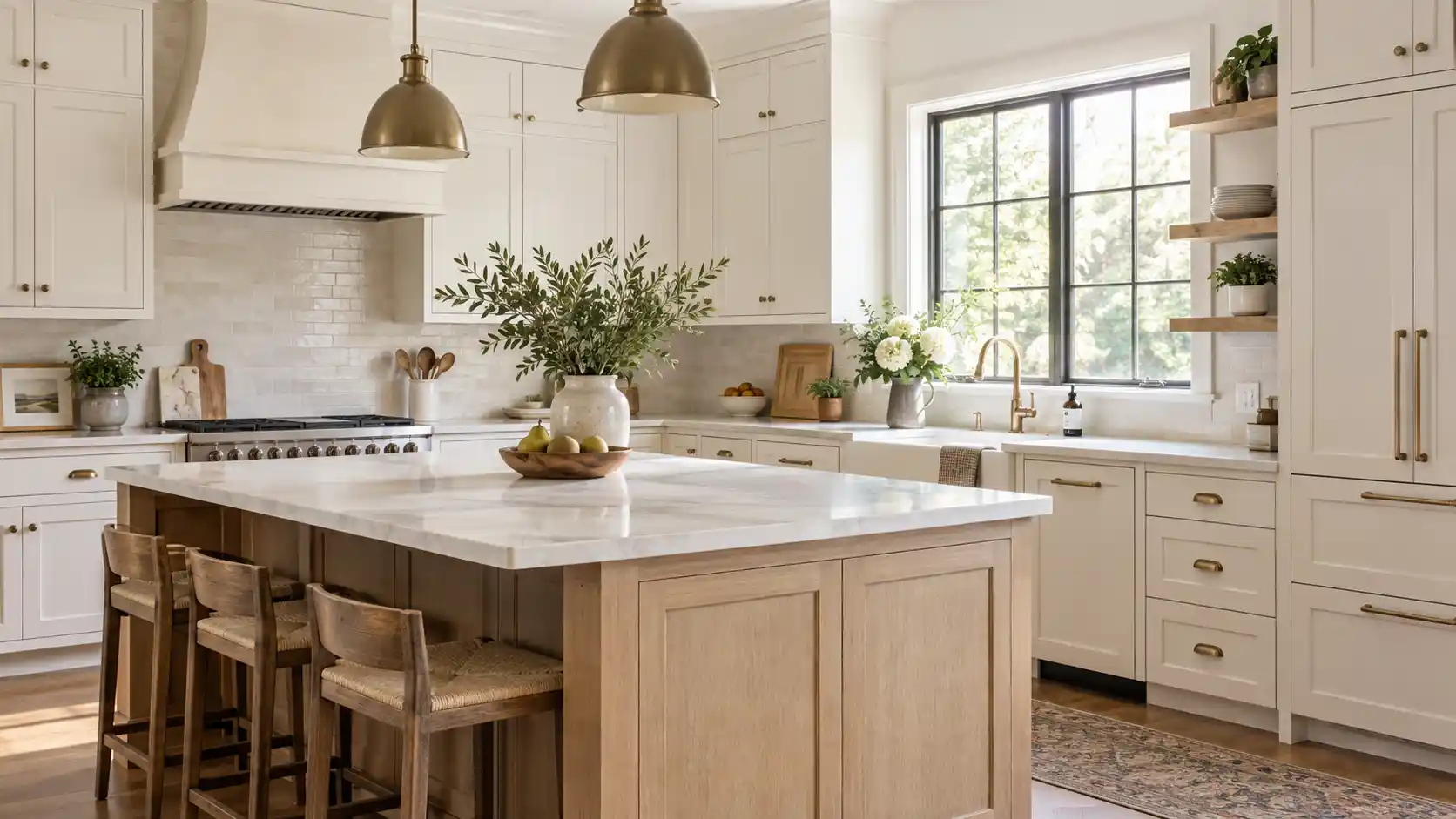
Kitchen cabinets are designed for long-term use, but their lifespan depends on how they are built, installed, maintained, and used. In many homes, well-made cabinets can remain functional for several decades. Some can last 30 years or more, while others may need repair or replacement much sooner because of moisture damage, weak construction, poor installation, or heavy wear.
The important thing is that cabinets do not usually fail all at once. The finish may look worn before the cabinet box becomes weak. Hinges and drawer slides may need replacement while the main structure is still in good condition. In other cases, water damage or a poor layout may make full replacement the better option.
Understanding what affects cabinet life can help you decide whether your existing kitchen needs a simple update or completely new cabinetry.
How Long Do Kitchen Cabinets Usually Last?
There is no fixed replacement age for kitchen cabinets. Their useful life depends much more on condition than on the number of years since installation.
Quality cabinets can often remain usable for decades, especially when the cabinet boxes are strong, the hardware is maintained, and the kitchen is protected from excessive moisture. Older cabinets may also continue performing well after changes to countertops, flooring, appliances, or wall colors.
Lower-quality cabinets may deteriorate sooner if the materials are weak, joints loosen, shelves sag, or moisture reaches exposed edges.
This is why the average lifespan of kitchen cabinets should be viewed as a range rather than a guaranteed number. Cabinet age is useful information, but overall condition matters more.
What Affects the Lifespan of Kitchen Cabinets?
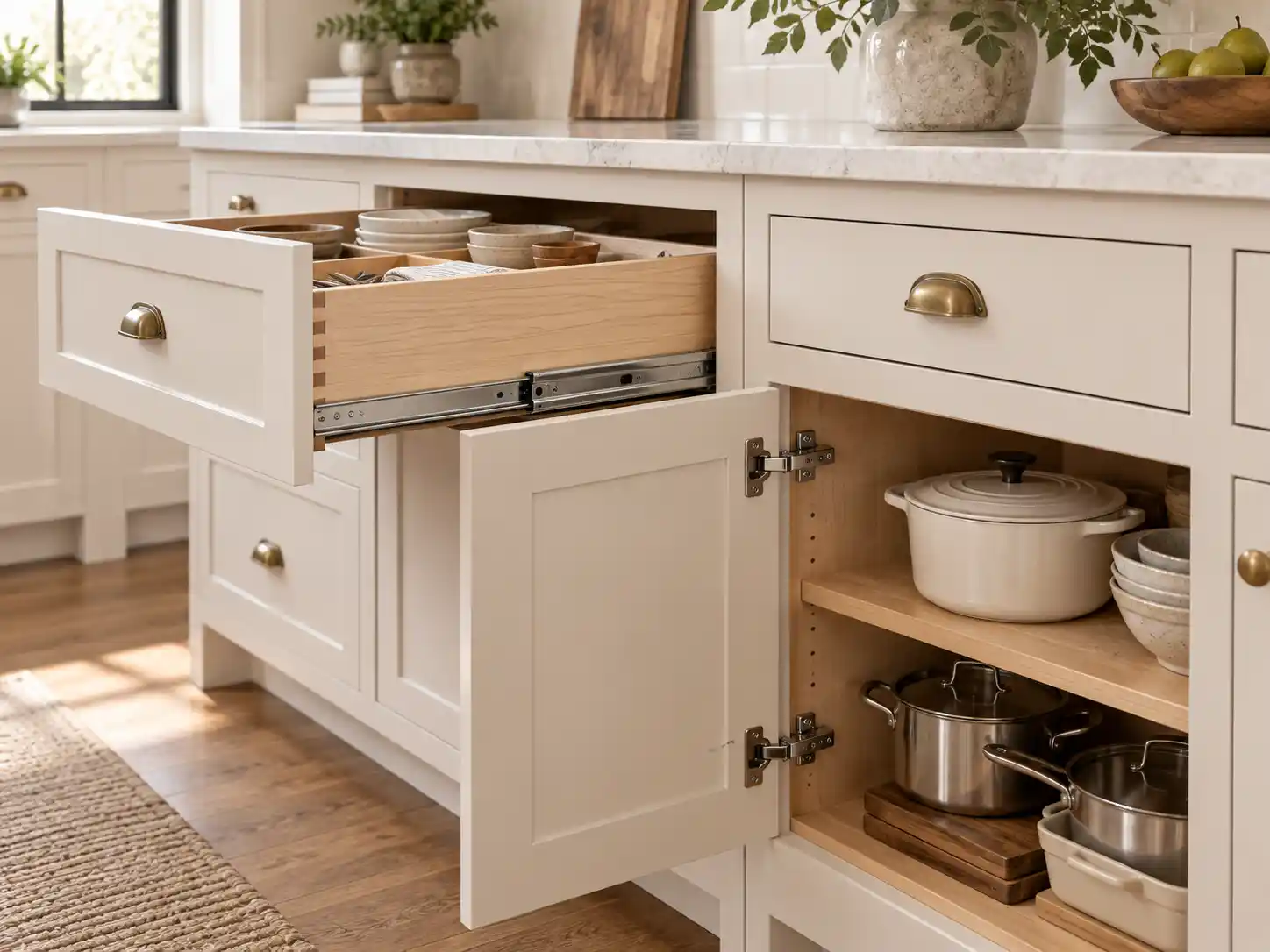
Several factors determine how long cabinets stay functional.
Cabinet Construction
Strong cabinet boxes, properly supported shelves, dependable drawer construction, and secure joints help cabinetry hold up under daily use.
When comparing cabinets, look beyond the door style. The internal construction often tells you more about durability than the appearance alone.
Materials
Kitchen cabinets may use plywood, solid wood, MDF, particleboard, or a combination of materials. Each can perform well when used appropriately, but they respond differently to moisture, impacts, humidity, and repeated use.
Plywood is commonly used for cabinet boxes because of its strength and stability. Solid wood is frequently used for doors, frames, and decorative components. MDF works well for smooth painted surfaces, while particleboard is often used in more economical cabinet construction.
The material itself is only part of the equation. Thickness, manufacturing quality, finishing, edge protection, and assembly also affect performance.
Hardware
Hinges and drawer slides experience constant movement. They may wear out before the cabinet structure does, especially in heavily used kitchens. Fortunately, hardware can often be adjusted or replaced without replacing the entire cabinet.
Loose hinges, noisy drawer slides, or minor alignment problems are usually maintenance issues rather than signs that the cabinets have reached the end of their life.
Moisture Exposure
Water is one of the biggest threats to cabinetry. Cabinets near sinks, dishwashers, plumbing lines, and refrigerators with water connections are more vulnerable to leaks. If moisture reaches exposed cabinet material, it can cause swelling, separation, staining, or loss of structural strength. Quickly addressing leaks is one of the best ways to extend cabinet life.
Installation Quality
Cabinets need to be level, securely anchored, and properly aligned. Poor installation can cause doors and drawers to operate incorrectly, place unnecessary stress on cabinet boxes, and create problems with countertops and appliances.
For homeowners planning replacement cabinetry, learning more about the cost to install kitchen cabinets can help when budgeting for the complete project.
How Do Different Cabinet Materials Hold Up Over Time?
Homeowners often search for the lifespan of specific materials, but there is no reliable number that applies to every cabinet. Construction quality and moisture exposure usually matter just as much as the material itself.
Solid Wood Cabinets
Solid wood is known for strength and repairability. It can often be sanded, refinished, or repainted, which makes it easier to update over time. However, natural wood can expand and contract with changes in humidity.
Well-maintained wood cabinetry can remain useful for decades, but repeated water exposure can still cause warping, cracking, or joint problems.
Plywood Cabinets
Plywood is commonly used in quality cabinet boxes because it combines strength with dimensional stability. It generally performs well under normal kitchen conditions, but it should still be protected from long-term moisture exposure.
Plywood is often a strong choice for homeowners who want durable cabinet construction without relying entirely on solid wood.
MDF Cabinets
MDF provides a smooth and consistent surface, making it especially useful for painted cabinet doors and panels.
It can perform well when properly finished and protected, but water exposure is a major concern. Once MDF absorbs enough moisture to swell, the damage is often difficult to reverse.
Particleboard Cabinets
Particleboard is commonly found in budget-friendly cabinetry. Its durability depends greatly on density, thickness, edge protection, and the way the cabinet is assembled. It can provide years of service under normal conditions, but moisture can cause faster deterioration than with some other materials.
How Long Do Painted Kitchen Cabinets Last?
Painted kitchen cabinets may start showing cosmetic wear before the cabinet structure has any serious problems. Chips, scratches, worn areas near handles, slight fading, and small cracks around joints can appear over time. These issues affect appearance but do not necessarily mean the cabinets need replacement. If the boxes and doors remain solid, repainting or refinishing may be enough to give the kitchen a fresh look.
Replacement becomes more appropriate when the damage goes deeper than the finish, such as swelling, failed joints, badly warped doors, or deteriorating cabinet boxes.
Signs Your Kitchen Cabinets May Need Replacement
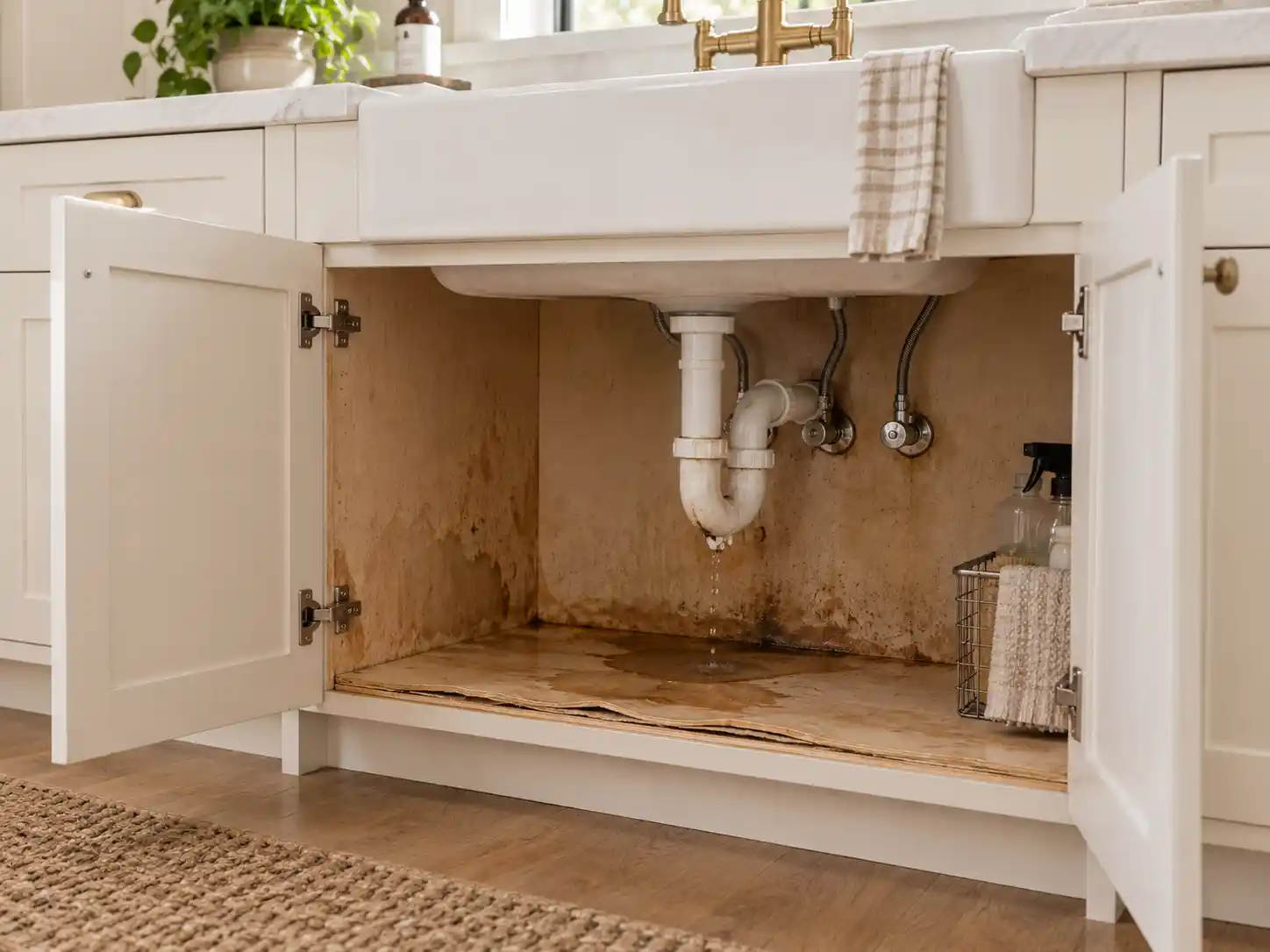
Cabinets should be evaluated by condition rather than age alone. A few cosmetic flaws or worn hinges usually do not justify replacing the entire kitchen. Structural problems, however, deserve more attention.
Widespread Water Damage
Swollen cabinet bottoms, soft panels, separating material, or damage around plumbing may indicate that the cabinet structure has been weakened. This is especially common under sinks or beside appliances connected to water lines.
Damaged or Warped Cabinet Boxes
Doors can often be adjusted, but cabinet boxes that are seriously warped or no longer square can create ongoing alignment problems. If the boxes themselves are failing, repair may no longer be practical.
Weak Shelves or Mounting Points
Sagging shelves can sometimes be reinforced, but widespread shelf failure or cabinets pulling away from the wall can indicate structural problems. Wall cabinets with loose or damaged mounting points should be addressed promptly.
Ongoing Door and Drawer Problems
One faulty hinge or drawer slide is usually easy to fix. If multiple doors and drawers are failing because the frames or mounting areas are worn out, replacing individual hardware may only provide a temporary solution.
The Layout No Longer Works
Cabinets do not have to be damaged before replacement makes sense. Older kitchens may have poor corner access, limited drawer storage, awkward appliance placement, or insufficient pantry space. If the existing cabinet layout makes everyday use difficult, a new design may provide more value than repairing an outdated setup.
Homeowners planning a more functional kitchen can also explore current kitchen cabinet trends for ideas related to storage, finishes, layouts, and design.
Should You Repair, Refinish, Reface, or Replace Cabinets?
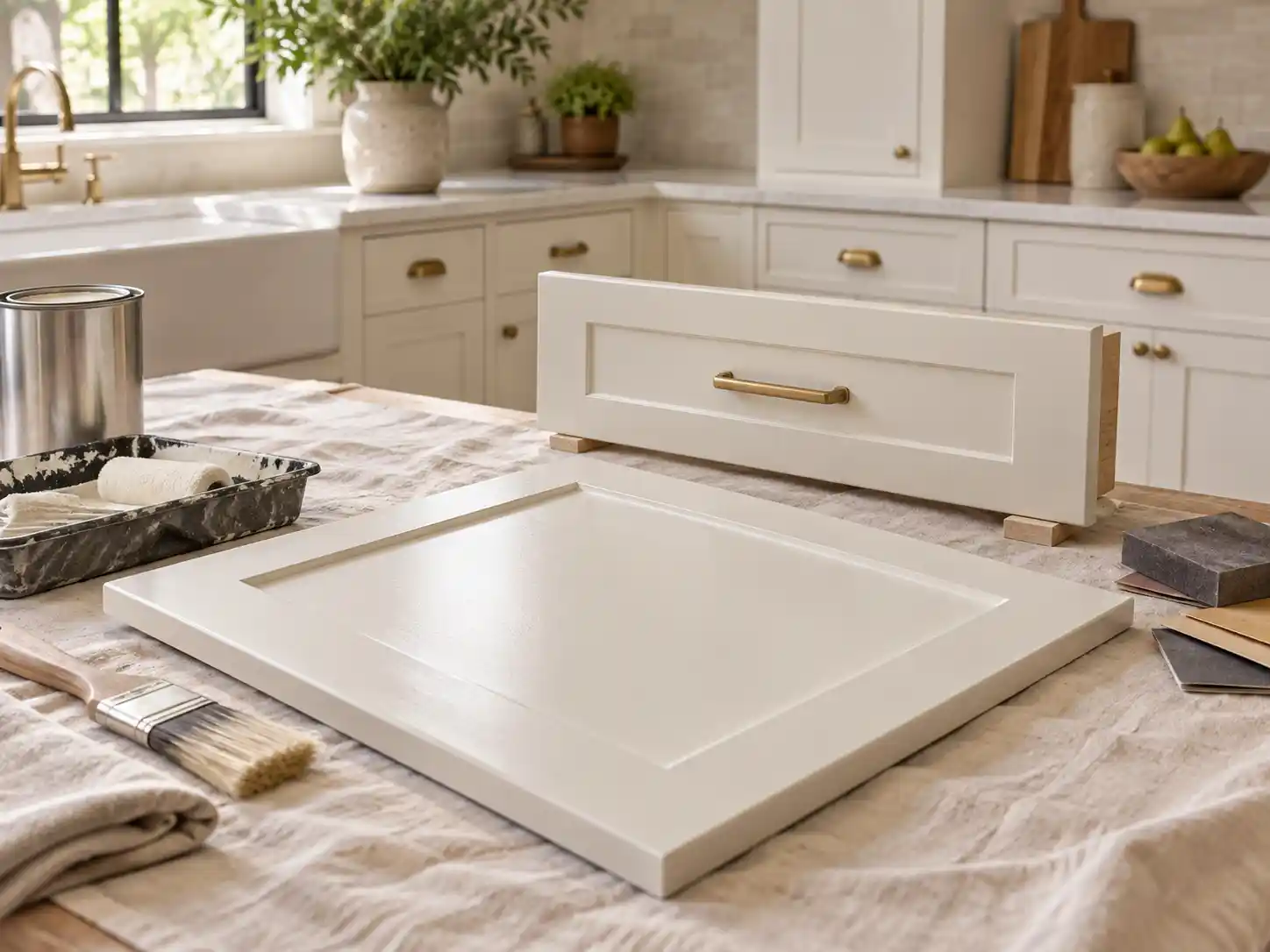
The right option depends on whether the problem is cosmetic, mechanical, or structural.
Repair
Repair is usually the best option when the cabinets are structurally sound and the problem is limited. Examples include loose hinges, damaged drawer slides, small alignment problems, or an isolated damaged shelf.
Refinish or Repaint
Refinishing makes sense when the cabinetry is still strong but the appearance feels dated or worn. This can be a practical choice when you like your current layout and simply want a different color or finish.
Reface
Refacing updates visible components such as cabinet doors and drawer fronts while keeping much of the existing cabinet structure. It works best when the boxes are in good condition and the current layout already meets your needs.
Replace
Replacement is usually the better choice when cabinets have widespread structural damage, extensive water problems, failing boxes, or a layout that no longer works for your kitchen.
If you are comparing replacement options, Cabinets MKE offers a range of kitchen cabinets for different design preferences, budgets, and levels of customization.
You can also review the factors that influence kitchen cabinet cost before planning a full kitchen update.
How to Make Kitchen Cabinets Last Longer
A few simple habits can help protect cabinets for years. Wipe up spills quickly, especially around sinks and appliances. Repair plumbing leaks as soon as they appear and avoid allowing water to sit along cabinet seams or exposed edges.
Use kitchen ventilation when cooking to reduce excess heat and humidity. Clean cabinet surfaces with products suitable for the finish instead of harsh chemicals or abrasive tools.
Do not overload shelves or drawers, and adjust loose hinges before they create additional stress on doors or cabinet frames.
It is also useful to inspect hidden areas occasionally, especially inside sink bases and around plumbing. Small leaks can cause significant damage when they go unnoticed for long periods.
Does Cabinet Quality Matter More Than Age?
In many cases, yes. A well-built 25-year-old cabinet may still be more dependable than a much newer cabinet made with weaker materials or poor construction.
Instead of judging cabinetry only by age, look at the cabinet box, drawer construction, shelving, hardware, joints, finish, and installation.
This same approach is helpful when buying new cabinets. Homeowners should compare construction quality rather than choosing solely by door style or color.
Cabinets MKE offers several kitchen cabinet brands, allowing Milwaukee homeowners to compare styles, finishes, construction options, and functionality before making a decision.
Choosing Cabinets for Long-Term Use
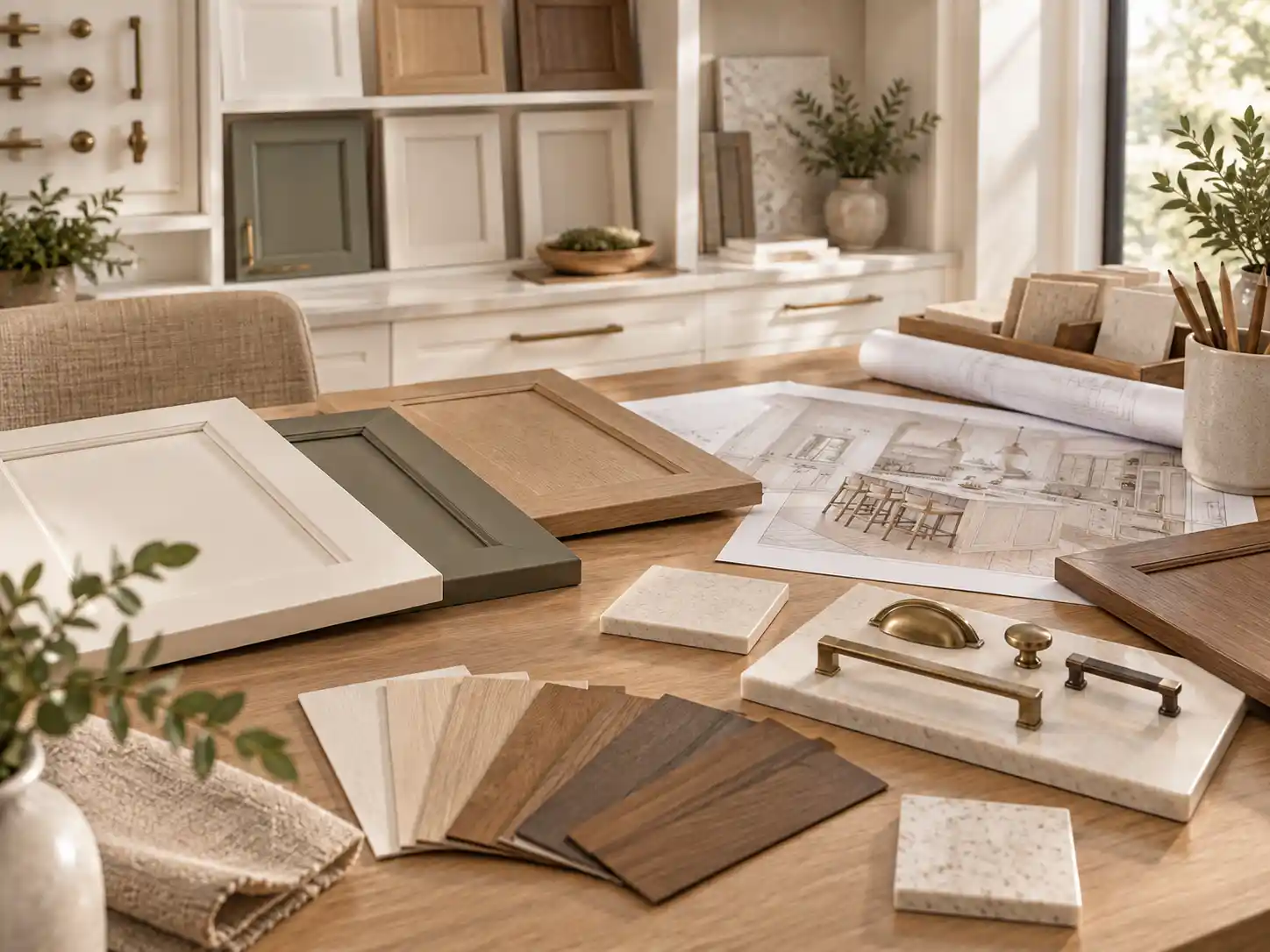
If you are investing in new cabinetry, durability should be considered alongside style and price. Start by comparing cabinet construction, drawer systems, shelves, hinges, and finishes. Think about how heavily the kitchen will be used and what kinds of items will be stored inside.
Layout planning is equally important. Cabinets may last for decades, so the kitchen should remain functional as your needs change.
Consider storage, appliance locations, work areas, drawer access, corners, pantry space, and traffic flow before ordering.
Cabinets MKE helps Milwaukee homeowners plan cabinetry with free 3D design, accurate measurements, cabinet selection guidance, and installation support. This makes it easier to evaluate the layout before committing to new cabinets.
How Long Do Cabinets Last? Final Thoughts
There is no universal expiration date for kitchen cabinets. Well-built cabinets can remain functional for several decades, while lower-quality cabinets or cabinets exposed to water, poor installation, or heavy wear may require replacement much sooner.
The best way to determine whether cabinets still have life left is to inspect their structure, not just their appearance.
Worn paint, outdated colors, loose hinges, and minor drawer issues can often be repaired. Swollen cabinet boxes, serious water damage, failed mounting points, or a layout that no longer works are stronger reasons to consider replacement.
If you are unsure whether your existing cabinets are worth keeping, Cabinets MKE can help you compare your current setup with new cabinet options and plan a kitchen around your storage, layout, style, and budget.
Frequently Asked Questions
How many years do kitchen cabinets last?
Quality kitchen cabinets can often remain functional for several decades. Their actual lifespan depends on construction, materials, installation, moisture exposure, and maintenance.
How often should kitchen cabinets be replaced?
There is no fixed replacement schedule. Cabinets should usually be replaced when they develop serious structural damage or when the existing layout no longer meets the homeowner’s needs.
Can kitchen cabinets last 30 years?
Yes. Well-built and properly maintained cabinets can remain usable for 30 years or longer.
Can kitchen cabinets last 50 years?
Some high-quality cabinets can remain functional for that long, but 50 years should not be treated as a guarantee. The actual lifespan depends on how the cabinetry was built, installed, used, and maintained.
How do I know if my kitchen cabinets need replacing?
Look for widespread water damage, weakened cabinet boxes, failed mounting points, serious warping, or recurring problems throughout the kitchen.
Is it better to refinish or replace old cabinets?
Refinishing is usually worth considering when the cabinet structure and layout are still good. Replacement is more appropriate when the boxes are damaged or the kitchen layout needs major changes.
Are 20-year-old cabinets worth replacing?
Not necessarily. Age alone is not a reason to replace cabinets. A 20-year-old kitchen may still have strong cabinet boxes that can be refinished or updated.
What type of cabinet lasts the longest?
There is no single cabinet type that always lasts longest. Strong construction, good materials, dependable hardware, proper installation, and protection from moisture all contribute to long-term durability.