

Cabinet replacement may be enough when your kitchen layout works, and the main problems are worn cabinets or awkward storage. A full kitchen remodel deserves consideration when several features need coordinated changes. For Milwaukee homeowners, the right choice starts with what the room needs to do better.
Key Takeaways
- Cabinet replacement removes the existing boxes, doors, and drawers; refacing keeps the boxes.
- A useful layout and compatible surrounding finishes can support a focused cabinet project.
- A partial kitchen remodel combines selected improvements without replacing everything.
- A full remodel can stay within the existing footprint; moving walls is not a requirement.
- Countertops, flooring, and appliance dimensions need attention before new cabinets are ordered.
- Compare written project scopes before comparing quote totals.
What Changes With Each Project Scope?
The difference between a kitchen update and a full remodel comes down to the work included. Project labels alone will not tell you whether counters, appliances, repairs, or installation are covered. Start by separating the cabinet work from the other improvements your kitchen needs.
| Project | Main focus | What may stay | Planning priority |
| Cabinet replacement | New cabinet boxes, doors, drawers, and related finishing | Layout, suitable appliances, and compatible surfaces | Fit, storage, and surrounding finishes |
| Partial kitchen remodel | Cabinets plus selected improvements, such as countertops | Features that still work with the new design | Coordination between retained and replacement elements |
| Full kitchen remodel | A coordinated update across most major kitchen features | The room footprint or selected compatible features | Complete design, sequencing, and affected systems |
Kitchen Cabinet Replacement
Kitchen cabinet replacement means removing old cabinet boxes and installing new units. It can improve drawer access, organization, and appearance without relocating the sink or range. Painting, replacing doors, and refacing are different approaches because they retain existing boxes rather than replace the cabinet system.
A Partial Kitchen Remodel
A partial kitchen remodel addresses a defined group of problems. You might replace cabinets and countertops while keeping suitable flooring and appliances. The important question is whether those retained features fit the finished plan, rather than whether the project qualifies for a particular remodeling label.
A Full Kitchen Remodel
A full kitchen remodel brings the major parts of the room into one plan. Cabinetry, countertops, flooring, lighting, and appliances may all change. Plumbing or electrical work depends on the design and existing conditions. A comprehensive project can still keep the sink and walls where they are.
When Cabinet Replacement May Be Enough
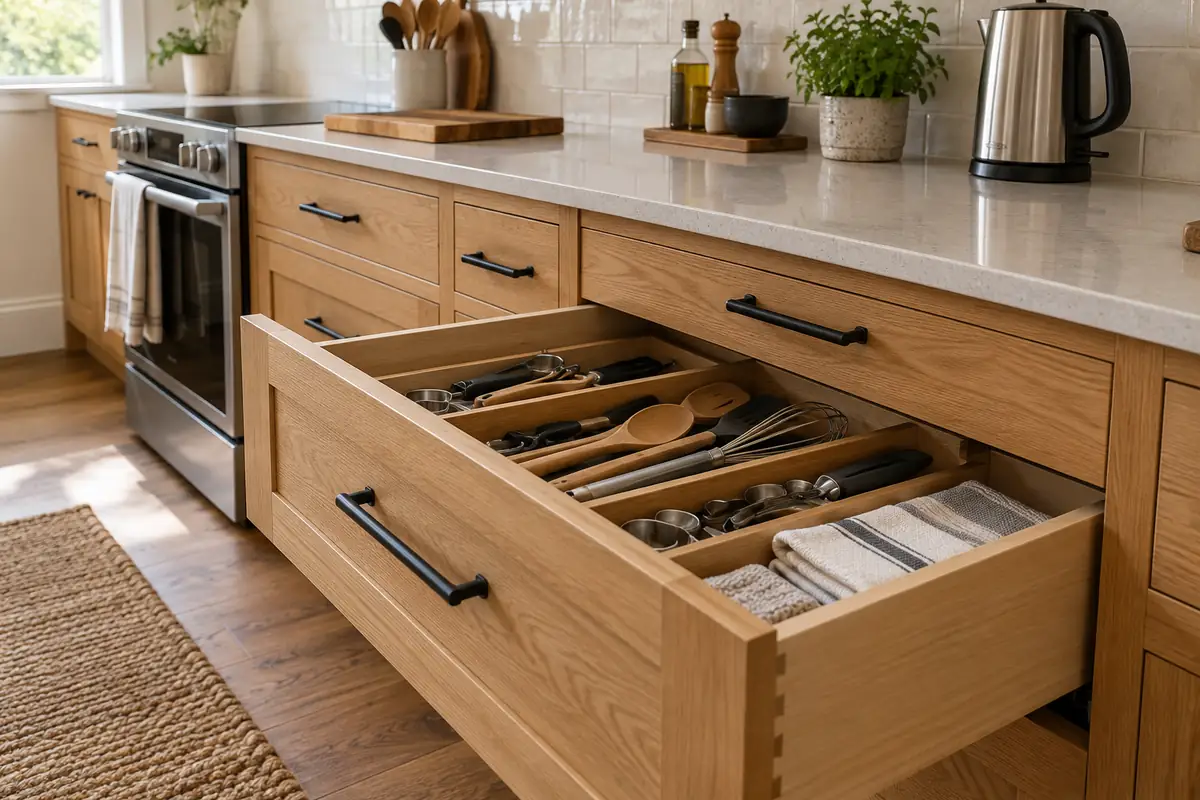
A focused cabinet project makes sense when it solves the problems you actually experience. Look beyond worn door finishes and consider movement, usable storage, and the condition of surrounding features. Replacing cabinets should leave you with a more useful kitchen, rather than familiar frustrations behind new doors.
Your Existing Layout Supports Everyday Use
Think through preparing a meal, unloading the dishwasher, and putting groceries away. If appliance positions and work areas already support those tasks, keeping the layout may be practical. Better drawer configurations and cabinet interiors can then address storage problems without redesigning the entire room around them.
The Main Problems Are Cabinet Condition or Storage
Damaged boxes, failing drawers, and hard-to-reach storage can justify exploring new kitchen cabinet options. Identify what you need to store before choosing door styles. Deeper drawers, pantry storage, and different cabinet configurations should respond to specific needs, not simply increase the number of units ordered.
The Features You Want to Keep Are Compatible
Make a list of the counters, flooring, backsplash, and appliances you want to retain. Have their dimensions and condition checked against the proposed cabinetry. New boxes can affect support, exposed edges, and appliance openings, so keeping the same layout does not automatically mean everything else can stay.
When a Full Kitchen Remodel Deserves Consideration
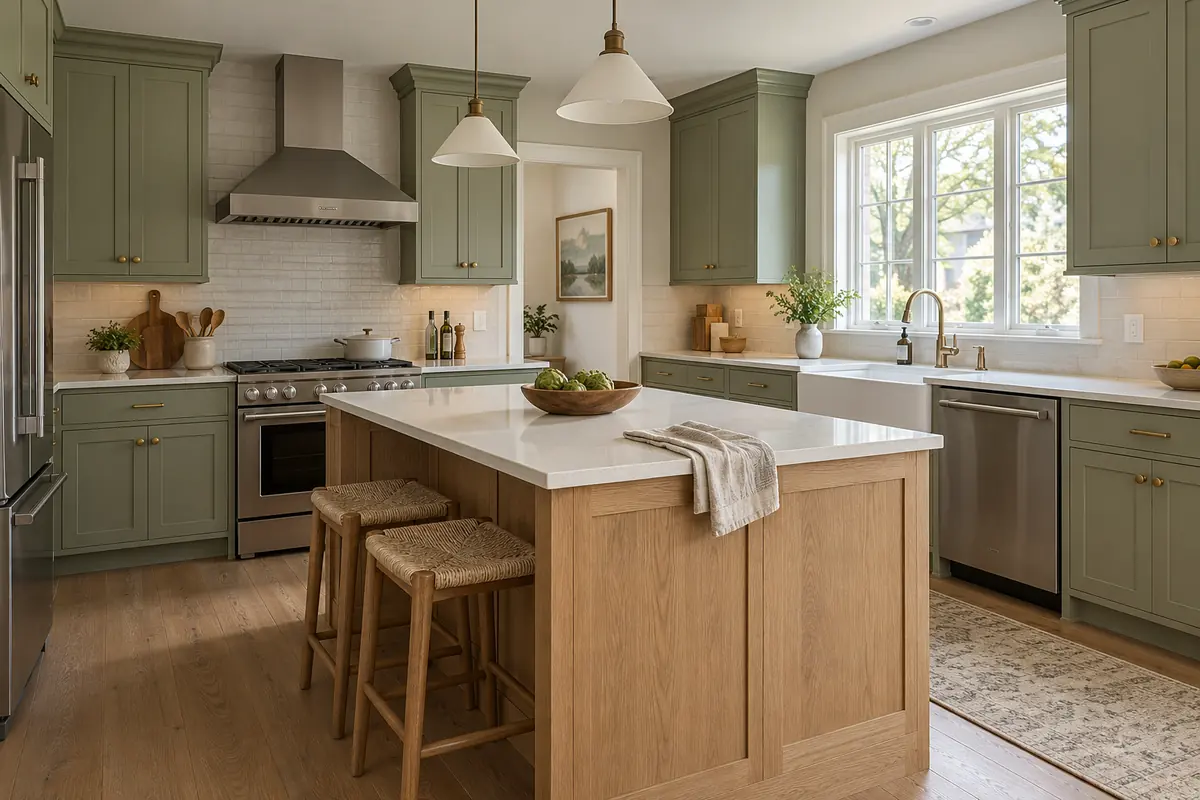
Sometimes cabinets are only one part of a larger problem. The room may need better circulation, several replacement surfaces, or coordinated work behind the finishes. In that situation, planning the kitchen together helps you understand the complete scope before committing to an isolated cabinet purchase.
The Layout Is Part of the Problem
If cooking and cleanup compete for the same cramped area, new doors will not change that arrangement. Moving an island, sink, or appliance may require a broader design. Consider kitchen remodeling when the improvement you want depends on changing how the room functions as a whole.
Several Kitchen Features Need Coordinated Replacement
When cabinets, counters, flooring, and lighting all need attention, separate projects can complicate decisions about heights, edges, and finishing. A combined plan lets you choose those elements together. Keeping the footprint can still limit disruption, even when the work covers much more than cabinetry alone.
Repairs or System Changes Expand the Work
Visible damage or proposed plumbing, electrical, and ventilation changes should be reviewed before the scope is finalized. Ask what can be assessed beforehand and how unexpected conditions will be handled. A cabinet quote should not silently stand in for repairs or additional work that has not been evaluated.
Could a Partial Kitchen Remodel Be the Better Fit?
Consider a kitchen where the appliances work well and the flooring is worth keeping, but cabinets and counters need replacement. That hypothetical project could suit a partial remodel. The value comes from coordinating the changes you need while confirming that retained features will work with them.
Another household might keep appliance locations but replace awkward shelving with a better cabinet arrangement. Compare the proposed storage with daily routines before ordering. At Cabinets MKE, measurement and design planning can help connect cabinet choices to the space available and the features you intend to retain.
Sequencing matters when evaluating countertop options. Decide which base cabinets will remain before committing to a new surface above them. If a larger redesign is likely later, review the future layout now so today’s improvement does not depend on cabinetry you already expect to remove.
Cabinet Replacement Cost vs. a Full Kitchen Remodel
The cabinet replacement cost is only useful when you know what the figure covers. A cabinet-focused estimate and a whole-kitchen estimate pay for different work. Compare the selected products, included labor, retained features, and exclusions before deciding whether the difference reflects better value or simply a larger project.
Compare Defined Scopes Before Comparing Prices
For early planning, basic new stock cabinet replacement may fall around $4,000–$10,000, with larger or more customized projects costing more. Confirm whether removal, installation, hardware, and finishing are included. Our kitchen cabinet cost guide explains additional selections that can affect the cabinet portion of your budget.
| Scope | Approximate planning amount | What to check |
| Basic new stock cabinet replacement | $4,000–$10,000 | Cabinet count, product line, installation, removal, hardware, and trim inclusions |
| Defined midrange whole-kitchen project | $87,115 | A 200-square-foot kitchen with 30 linear feet of semi-custom cabinets, an island, laminate counters, specified appliances, lighting, flooring, and painting |
These figures describe different projects, rather than the price of two interchangeable packages. A whole-kitchen estimate includes work beyond cabinets, while the actual replacement scope depends on your measurements and selections. Use the amounts to frame a discussion, then compare project-specific quotes with clearly listed inclusions.
Include the Work Around the Cabinets
Removal, disposal, delivery, fillers, panels, trim, and hardware can change the total. Countertop work, surface repairs, and appliance connections also need clear responsibility. Review cabinet installation costs alongside product selections so a materials price is not mistaken for the amount needed to complete the planned cabinet project.
Request Two Comparable Scope Options
Ask for one option focused on the cabinet problem and another covering the additional improvements you are considering. Keep cabinet quality and other shared selections consistent where possible. This makes it easier to see the added cost of broader work rather than differences between unrelated product choices.
Compare the Right Kitchen Scope With Cabinets MKE
Choosing between cabinet replacement and a full kitchen remodel starts with a clear picture of what needs to change. We help Milwaukee homeowners connect cabinet selection, layout planning, and related finishes. Bring photos, approximate dimensions, storage concerns, appliance plans, and the features you hope to keep.
Schedule an in-home consultation to review your kitchen and discuss an appropriate scope. Share your budget priorities and any future remodeling plans so we can consider them during measurement and design. That gives the discussion a practical starting point before you commit to cabinetry or a broader renovation.
Frequently Asked Questions
Can I Replace Only the Base Cabinets or Only the Wall Cabinets?
Replacing one group may be possible if the retained cabinets are sound and the finished arrangement works. Check sizes, alignment, door styles, and finishes before ordering. An intentional contrast can be easier to plan than assuming a new cabinet line will exactly match an older one.
Can I Keep My Existing Countertops When Replacing Cabinets?
Possibly, but countertop reuse needs assessment before it becomes part of the quote. Material, seams, attachment methods, condition, and the new cabinet dimensions all matter. Ask who will evaluate removal and reinstallation, and what happens if the existing surface cannot be reused without damage or modification.
Should I Replace Cabinets Before Buying New Appliances?
Confirm appliance models and installation requirements before the cabinet order is finalized, even if delivery happens later. Cabinet openings, panels, and clearances must suit the intended appliances. Reusing an appliance also requires checking its dimensions and considering whether a planned replacement could affect the new cabinet arrangement.
Is Replacing Cabinets Now Sensible if I Plan a Bigger Remodel Later?
It depends on whether the new cabinets would remain in the future design. If a later project moves appliances or changes the layout, today’s purchase may limit options or create repeat work. Compare a modest temporary repair with a coordinated plan before paying for a replacement twice.